From Burnout to Balance: Designing Workplaces that Prioritize Employee Well-Being
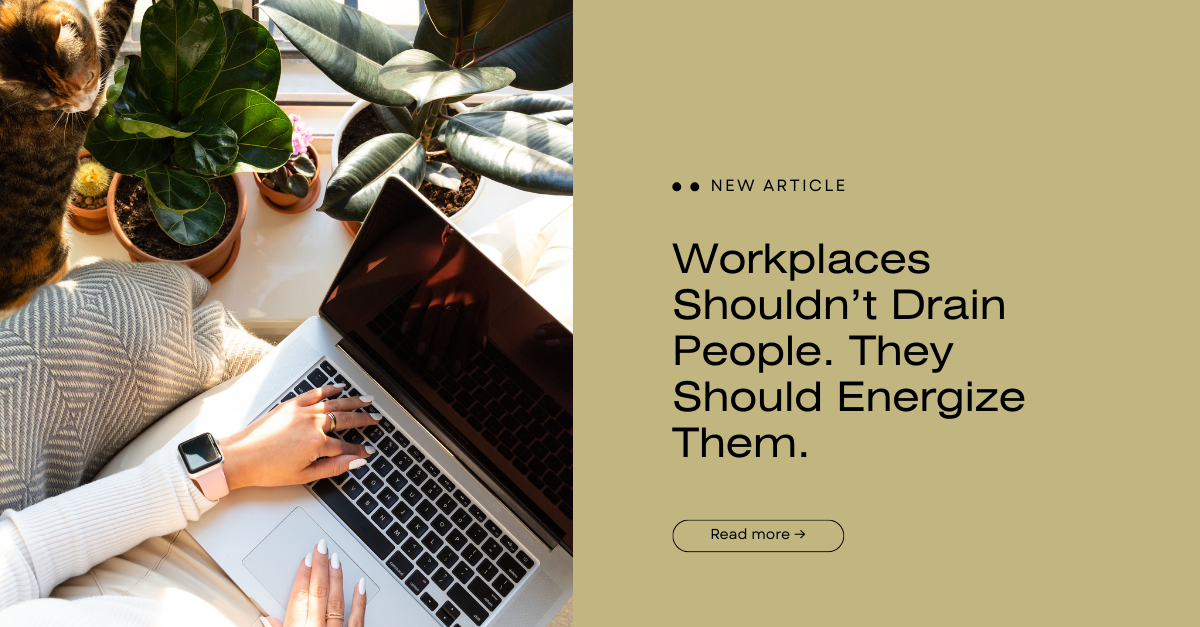
Burnout has become one of the most urgent challenges in today’s workplace. The World Health Organization now officially recognizes burnout as an occupational phenomenon, citing chronic workplace stress as its leading cause. Employees around the globe are reporting higher levels of exhaustion, disengagement, and mental strain than ever before.
The ripple effects are costly. Burnout leads to decreased productivity, higher turnover, and rising healthcare expenses. But beyond the numbers, it diminishes creativity, collaboration, and purpose, which are the very qualities organizations need to thrive in a fast-paced world.
The good news is that burnout is not inevitable. With intentional design, workplaces can shift from being a source of stress to becoming environments that actively support employee well-being. When organizations incorporate wellness into their culture and spaces, they not only protect employees from burnout but also unlock new levels of engagement, performance, and loyalty.
We spend most of our day in our workplaces than in any other space, which means the design of these environments directly shapes how people feel, think, and perform. Research consistently shows that workspaces that prioritize mental, physical, and emotional well-being lead to measurable improvements in focus, productivity, and satisfaction.
Designing for well-being doesn’t just mean adding a wellness program or a break room. It means creating a holistic approach that integrates wellness into the very structure of work and culture. From policies and practices to physical spaces, every decision either contributes to burnout or helps build balance.
If you're a decision maker or an employee who can inspire your management team, here are some applications that can be implemented today.
The first recommendation is to redesign breaks to boost recovery. Most workplaces still operate on outdated notions of productivity that equate “more time at the desk” with better performance. In reality, employees who take restorative breaks return with more energy, focus, and creativity.
Encourage walking meetings, provide access to quiet wellness rooms, or establish company-wide “no meeting” times. Starting today, pilot a 10–15 minute daily pause where teams are encouraged to stretch, hydrate, or step outside.
Secondly, let's bring nature indoors. Biophilic design, the integration of nature into workplaces, has been shown to reduce stress and increase cognitive performance. Indoor plants, natural light, and living walls don’t just look good; they create healthier air quality and support emotional balance. A great Evidence-based reference is the 14 Patterns of Biophilic Design: Improving Health & Well-Being in the Built Environment by Terrapin Bright Green.
Add greenery to common spaces, move desks closer to natural light, or create a shared indoor garden corner. Even small steps, like introducing a few potted plants in meeting rooms, can significantly improve mood and reduce stress.
Lastly, create policies that protect boundaries. Burnout often stems from blurred boundaries between work and life, especially in hybrid or remote setups. Organizations that respect these boundaries build trust and improve retention.
Start by setting clear communication norms, such as no emails after certain hours. Provide managers with training to recognize signs of burnout and empower them to support team members proactively. Today, you can send a simple message reaffirming your company’s commitment to work-life balance.
Burnout is not a sign of weak employees; it’s a signal of workplaces that need to evolve. By redesigning how we structure breaks, bringing nature into the office, and setting policies that protect boundaries, companies can move from burnout to balance.
The result is not only healthier employees but also stronger organizations. When people feel supported mentally, physically, and emotionally, they bring their best selves to work. And when employees thrive, businesses thrive too.
If your organization is ready to take meaningful steps toward creating a workplace that prioritizes well-being, start small. Pilot one of these ideas today, measure the impact, and build from there. Balance isn’t just possible, it’s essential for the future of work.